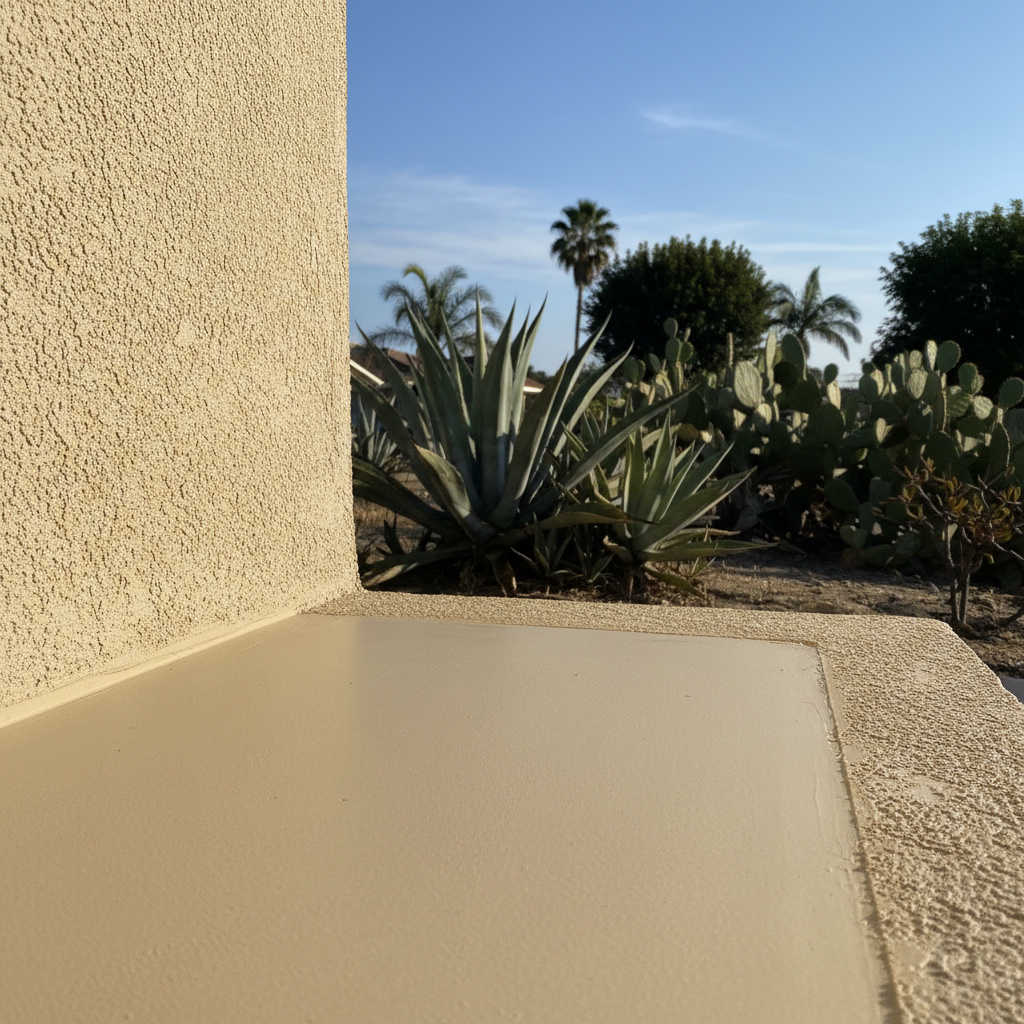
So, you've gone through the whole process, maybe even had some old, cracked stucco ripped off, and now your home's sporting a shiny new coat. That's a pretty big investment, right? And you want it to last. Absolutely. Here in San Diego, our weather is mostly fantastic, but it definitely throws some curveballs at exterior finishes. Let's chat about how to keep your re-stuccoed home looking amazing for years down the line.
Making Your New Stucco Last Longer
The single most important thing you can do to extend your stucco's life, especially after a removal and re-application, is to protect it from water. Sounds like a no-brainer, I know, but that's where most problems actually begin. Good quality stucco, put on correctly, is incredibly tough. But constant moisture sneaking in? That's its arch-nemesis.
- Good Drainage is Crucial: First off, make sure your gutters are spotless and actually steer water away from the foundation. If those downspouts are just dumping water right next to the house, you're practically asking for trouble. Grab some extensions, or even better, think about putting in underground drains.
- Your Landscaping Matters: Keep those plants and shrubs trimmed back from the stucco. They might look cozy snuggled up against the wall, but they trap moisture there, stop it from drying out, and can even rub against the surface, wearing it down. Try for at least six inches of clear space.
- Sealants & Flashing: This is more about how things were installed, but if it wasn't done right during the re-stucco job, you'll definitely see issues. Double-check that all your windows, doors, and any other openings have proper flashing and caulking. We often see homes where water gets in around windows, especially after a re-stucco where the old flashing wasn't properly dealt with or replaced.
- A Quality Paint or Coating: If your stucco is painted, a good exterior paint with some elastomeric (stretchy) properties can add an extra layer of defense against moisture and those tiny hairline cracks. Just be sure the stucco is completely cured before you paint – usually that means 30 days or even more.
Regular Upkeep: What You Should Be Doing
Think of it like taking care of your car; a little regular attention really goes a long way. Stucco isn't totally maintenance-free, but it's pretty low-key compared to, say, wood siding.
- Keep it Clean: Dirt, dust, and even mildew can build up, particularly on north-facing walls that don't catch as much sun. Often, a simple garden hose with a spray nozzle is enough for light cleaning. For tougher spots, a mild detergent (like dish soap) and a soft brush can do the trick. Always rinse it really well.
- Pressure Washing? Be Careful: Yes, you can pressure wash stucco, but you've got to be smart about it. Use a wide-angle nozzle (like a 40-degree tip), keep the pressure under 1500 PSI, and hold the wand at least a foot from the surface. Too much pressure can actually damage the stucco or push water right behind it. If you're not comfortable, honestly, just hire a pro.
- Look for Cracks: Take a stroll around your house every six months or so. Really look for any new cracks. Small hairline cracks are pretty normal and usually nothing to worry about. But anything wider than a credit card, or cracks that seem to be growing, needs your attention.
- Check the Caulking: Inspect the caulk around your windows, doors, and wherever the stucco meets other materials. If it's cracking, shrinking, or pulling away, it's time to re-caulk. This is a cheap fix that can prevent some really expensive water damage.
Warning Signs of Trouble
Knowing what to keep an eye out for can save you a ton of headaches and money later on. Seriously, don't ignore these signals.
- Stains or Discoloration: Dark streaks, especially under windows or along the foundation, often point to water getting in. Green or black patches? That could be mildew, which means moisture is definitely hanging around.
- Bulging or Soft Spots: If you push on the stucco and it feels soft, or you notice areas bulging out, that's a huge red flag. It usually means water has gotten behind the stucco and is damaging the stuff underneath.
- Cracks That Won't Quit: While small cracks are common, if you see cracks getting wider, running horizontally for long stretches, or forming a spiderweb pattern, it's time to investigate. Cracks around the foundation might even mean settling, which is a much bigger structural problem.
- Peeling Paint or Flaking: If the paint on your stucco is peeling, or if the stucco itself is flaking off (we call that delaminating), it's a sign of moisture issues or that it didn't stick properly in the first place.
- Efflorescence: Those white, powdery deposits on the surface? That's efflorescence, and it happens when salts in the stucco or masonry get dissolved by water, then left behind on the surface as the water evaporates. It's a clear sign of moisture.
When to Bring in a Professional
You can handle a lot of the basic maintenance yourself, but some things are just better left to the experts. Don't hesitate to give someone like us at San Diego Stucco & Plastering a call if you spot any of these more serious issues.
- Widespread Cracking or Damage: If you've got big cracks, several soft spots, or large sections of stucco falling off, you really need a professional to take a look. We can figure out how bad the damage is and the best way to fix it.
- Water Intrusion: If you think water is getting behind your stucco – maybe you've got water stains inside, or the stucco feels wet after it rains – do not wait. Water damage can quickly lead to rot, mold, and structural problems.
- Efflorescence That Just Keeps Coming Back: A little efflorescence might clean up, but if it keeps reappearing, it means there's a constant moisture source that needs to be found and fixed for good.
- Stucco Too Close to the Ground: Here in San Diego, especially in areas with clay soils like parts of Rancho Bernardo or Poway, we sometimes see stucco applied too low to the ground. This can let moisture wick up into the stucco. If your stucco is less than 6 inches from the soil, it's worth having a pro check it out. We can often fix this with a proper weep screed installation or by digging a trench.
- Anytime You're Just Not Sure: If you're looking at a problem and you're not quite sure what it is or how to tackle it, just pick up the phone and give us a call. It's always, always better to catch small problems before they turn into huge, expensive ones. We're happy to come out and take a look, no problem.
Taking care of your stucco isn't rocket science, but it does mean staying a little bit vigilant. A little proactive maintenance can save you a ton of hassle and expense down the road, and keep your San Diego home looking fantastic for decades.