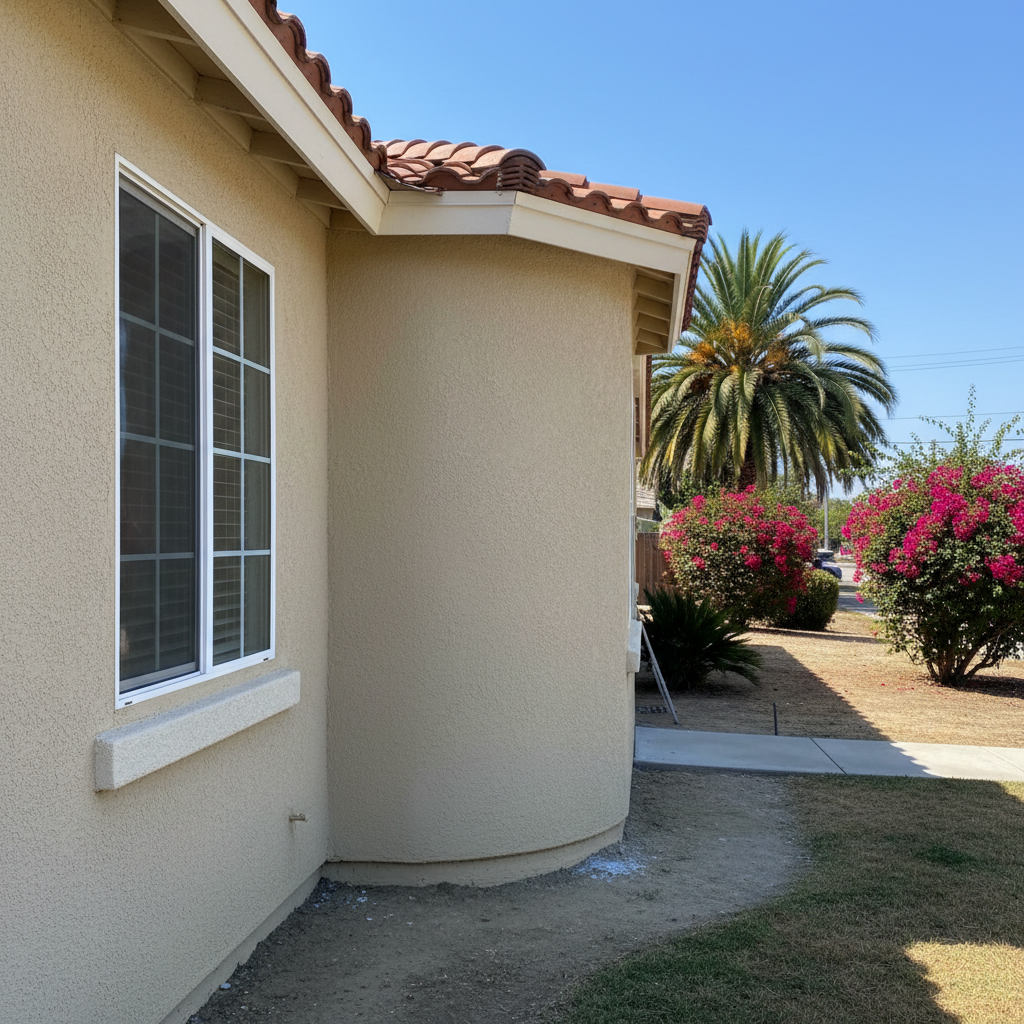
Alright, let's talk stucco. You see it everywhere here in San Diego, from the beach towns to the inland valleys, and for good reason. It’s tough, looks good, and handles our weather pretty well. But 'pretty well' doesn't mean 'set it and forget it.' If you want your stucco to truly last and keep your home protected, you've got to give it some attention. I've seen countless homes where a little proactive care could've saved homeowners a lot of headaches and money down the road.
Making Your Stucco Last Longer in San Diego
Your stucco can easily last 50 to 80 years, sometimes even more, especially with our dry, Mediterranean climate. But that's not a guarantee; it's a goal you work towards. Here's what I tell folks:
- Keep it Dry, Especially at the Bottom: This is a big one. Water is stucco's biggest enemy. I can't tell you how many times I've seen stucco damage at the bottom of homes because sprinklers are constantly hitting the wall or plants are growing right up against it, holding moisture. Make sure your sprinklers are aimed away from your house, and keep vegetation trimmed back a few inches. Also, check your weep screeds. That's the metal strip at the very bottom of your stucco wall. It's designed to let any moisture that gets behind the stucco drain out. If it's blocked, damaged, or buried, you're asking for trouble. It should be at least 4 inches above bare earth and 2 inches above paved surfaces.
- Don't Forget Those Expansion Joints: Stucco, like concrete, expands and contracts when the temperature changes. That's why you have expansion (or control) joints. They're those deliberate lines you see that break up large stucco areas. They give the stucco room to move without cracking. If these joints are missing, or if they're packed full of old caulk or dirt, they can't do their job, and you'll get cracks elsewhere.
- Repaint Regularly (with the Right Stuff): While stucco naturally resists moisture, a good quality exterior paint adds an extra layer of defense. I recommend repainting every 6-7 years here in San Diego. Use a high-quality acrylic or, if your walls have a lot of hairline cracks, an elastomeric coating. Elastomeric paints are flexible and can bridge those tiny cracks, preventing water from getting in.
- Sealant Needs Care: Check the caulking around your windows, doors, and any penetrations like vents or pipes. Over time, the sun and weather will break down caulk, creating gaps where water can sneak in. Keep these areas sealed tight.
What Regular Maintenance Actually Looks Like
Maintaining your stucco isn't a full-time job, but it does require a little routine attention. Think of it like changing the oil in your car – small, consistent efforts prevent major breakdowns.
- Look Around Once a Year: Walk around your house annually, especially after our winter rains or a hot summer. Look for anything out of the ordinary.
- Clean Gently: If your stucco looks dirty or has some mildew, a gentle washing with a mild detergent and a soft brush or low-pressure washer usually does the trick. Don't blast it with high pressure; you can damage the stucco.
- Trim Back Plants: As I mentioned, keep plants away from the walls. This isn't just about moisture; it also helps with air circulation, which is important for drying out any incidental moisture.
Warning Signs of Trouble
Your stucco will tell you when it's unhappy. You just need to know what to look for. Catching these early can save you a ton of money and prevent bigger structural issues.
- Cracks: Hairline cracks are pretty common and often just cosmetic, especially on older homes or due to normal settling. But if you see cracks wider than a credit card, or ones that are spreading, returning, or forming a spiderweb pattern, that's a red flag. Cracks around windows and doors are also a common spot for water intrusion.
- Stains and Off-Colors: Dark streaks, especially below windows or other features, often mean water is getting in somewhere it shouldn't. White, powdery residue (efflorescence) means water is evaporating through the stucco, leaving salt deposits behind. Both indicate moisture problems.
- Bulging, Blistering, or Soft Spots: If your stucco is bulging, blistering, or feels soft when you press on it, that's a serious sign of trapped moisture and likely rot in the sheathing or framing underneath. This needs immediate attention.
- Loose or Crumbling Stucco: If pieces of stucco are flaking off or crumbling, it's lost its integrity. This can happen from prolonged moisture exposure or just age.
- Separation: Look for stucco pulling away from trim, windows, doors, or other building materials. These gaps are direct pathways for water.
When to Call a Professional
You can handle the basic cleaning and visual inspections yourself. But for anything beyond that, it's time to bring in a pro like San Diego Stucco & Plastering.
- Any Signs of Water Getting In: If you see stains, bulging, or crumbling, don't mess around. Water damage behind stucco can quickly lead to wood rot and mold, which are expensive fixes.
- Cracks Wider Than a Credit Card: While you can patch small hairline cracks yourself with the right caulk, anything larger needs a professional assessment and repair to ensure proper bonding and blending. We'll make sure the repair is watertight and matches your existing texture.
- Damaged Weep Screeds or Expansion Joints: These are critical parts of your stucco system. If they're compromised, you need an expert to repair or replace them correctly.
- Before Repainting: If you're planning to repaint, have a stucco professional inspect and repair any damage first. Painting over problems just hides them temporarily and can make them worse.
- When in Doubt: Honestly, if you're unsure about something you see, just call. A quick inspection can give you peace of mind or flag a small issue before it becomes a major project. We work across San Diego County, from the coastal homes in La Jolla dealing with salt air to the inland properties experiencing more intense thermal expansion. We know the specific challenges your home faces.
Taking care of your stucco isn't just about curb appeal; it's about protecting your biggest investment. A little vigilance goes a long way in keeping your San Diego home solid and beautiful for years to come.