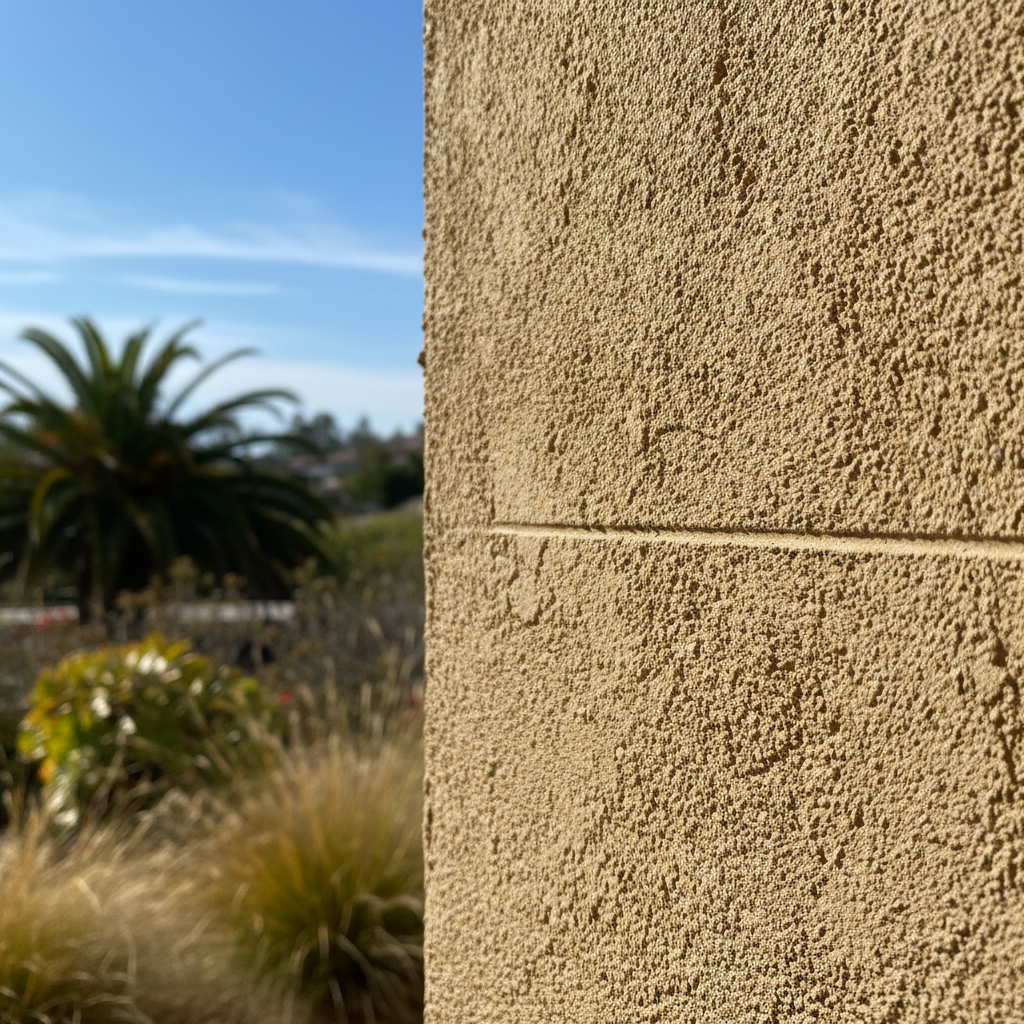
Thinking About New Stucco? Here's What You Need to Know
So, you're looking at your home and thinking about new stucco. Maybe it's time for an upgrade, or you've got some damage that needs fixing. Whatever the reason, getting stucco installed isn't a small job, and it's important to know what you're getting into. I've seen a lot of homeowners try to tackle this themselves, and while some smaller repairs are definitely DIY-friendly, a full installation is usually a different beast.
Before You Start: Planning & Permits
First things first: planning. You can't just slap stucco on your house. You need to think about the type of stucco you want – traditional three-coat, one-coat, synthetic (EIFS)? Each has its pros and cons, especially with our coastal San Diego weather. Traditional stucco is great for durability and breathability, which is a big deal when you're dealing with ocean air and occasional humidity. Synthetic systems offer good insulation, but you've got to make sure they're installed perfectly to avoid moisture issues.
Then there's the permit. For any significant exterior work, especially involving structural changes or a complete re-stucco, you'll likely need a permit from the City of San Diego. Don't skip this. It's not just a formality; it ensures your project meets safety and building codes. Trying to sell your house later without proper permits for major work can be a real headache. You can handle the permit application yourself if you're comfortable with paperwork, but many contractors, including us at San Diego Stucco & Plastering, can help guide you through it or even pull the permits for you.
The DIY vs. Pro Debate: Where to Draw the Line
Let's be real: installing stucco isn't like painting a wall. It's a skilled trade. Here's my take on what you can realistically do yourself and when you absolutely need to call in the pros.
- Small Patch Jobs: If you've got a small crack, a ding from a rogue soccer ball, or a patch of stucco that's come loose, you can probably handle this yourself. There are plenty of stucco patch kits at the hardware store. Just make sure you match the texture and color as best you can. It takes practice, but it's doable.
- Prepping the Surface: Removing old stucco, cleaning the walls, maybe even some minor repairs to the substrate – this is often within a handy homeowner's capabilities. Just be careful with power tools and make sure you're working safely.
- Full Installation or Large Sections: This is where you need a professional. Applying stucco properly involves multiple layers, precise mixing, consistent application, and expert texturing. If the layers aren't right, or the waterproofing isn't done perfectly, you're looking at potential water intrusion, cracking, and a whole lot of expensive problems down the road. Especially in areas like La Jolla or Coronado where homes are exposed to salt air, proper installation is crucial for longevity. Plus, it's physically demanding work, and getting a uniform, professional finish across a large area is incredibly tough without experience.
- Waterproofing & Flashing: This is non-negotiable for a pro. The waterproofing membrane, weep screeds, and flashing around windows and doors are critical for keeping water out of your walls. Mess this up, and you'll have bigger problems than just an ugly finish.
During the Project: What to Expect
If you hire a contractor, they'll handle the bulk of the work. Here's a general rundown of what you'll see:
- Surface Prep: They'll remove old stucco if necessary, clean the walls, and make any repairs to the underlying structure.
- Waterproofing: This is usually a weather-resistant barrier (WRB) applied to the sheathing, followed by metal lath or wire mesh. This creates the base for the stucco.
- Scratch Coat: The first layer of stucco is applied, scratched to create a rough surface for the next layer to adhere to.
- Brown Coat: The second layer, which is leveled and smoothed to create a uniform surface.
- Finish Coat: This is the final, decorative layer. This is where the color and texture you chose come to life. It's applied carefully and then textured to your specification.
Expect some dust and noise. It's a construction site, after all. A good contractor will keep the site as clean and organized as possible and communicate with you about the schedule.
After the Stucco is On: Care & Maintenance
Once your new stucco is installed, it needs time to cure. Don't try to paint it or pressure wash it right away. Your contractor will give you specific instructions, but generally, it's a few weeks for proper curing. After that, stucco is pretty low maintenance. You'll want to:
- Inspect Regularly: Walk around your house a couple of times a year. Look for cracks, especially around windows and doors, or where different materials meet. Small hairline cracks are normal; larger, spiderweb cracks or areas where stucco is bulging or crumbling need attention.
- Clean as Needed: A gentle wash with a hose and a soft brush can remove dirt and grime. Avoid high-pressure washing, which can damage the surface.
- Address Issues Promptly: If you see a crack or damage, don't ignore it. Small problems can become big, expensive ones if left unaddressed, especially with our year-round sunshine and occasional heavy rains.
New stucco can dramatically improve your home's curb appeal and protection. Do your homework, know your limits, and don't hesitate to bring in a professional for the big stuff. It's an investment that pays off when done right.