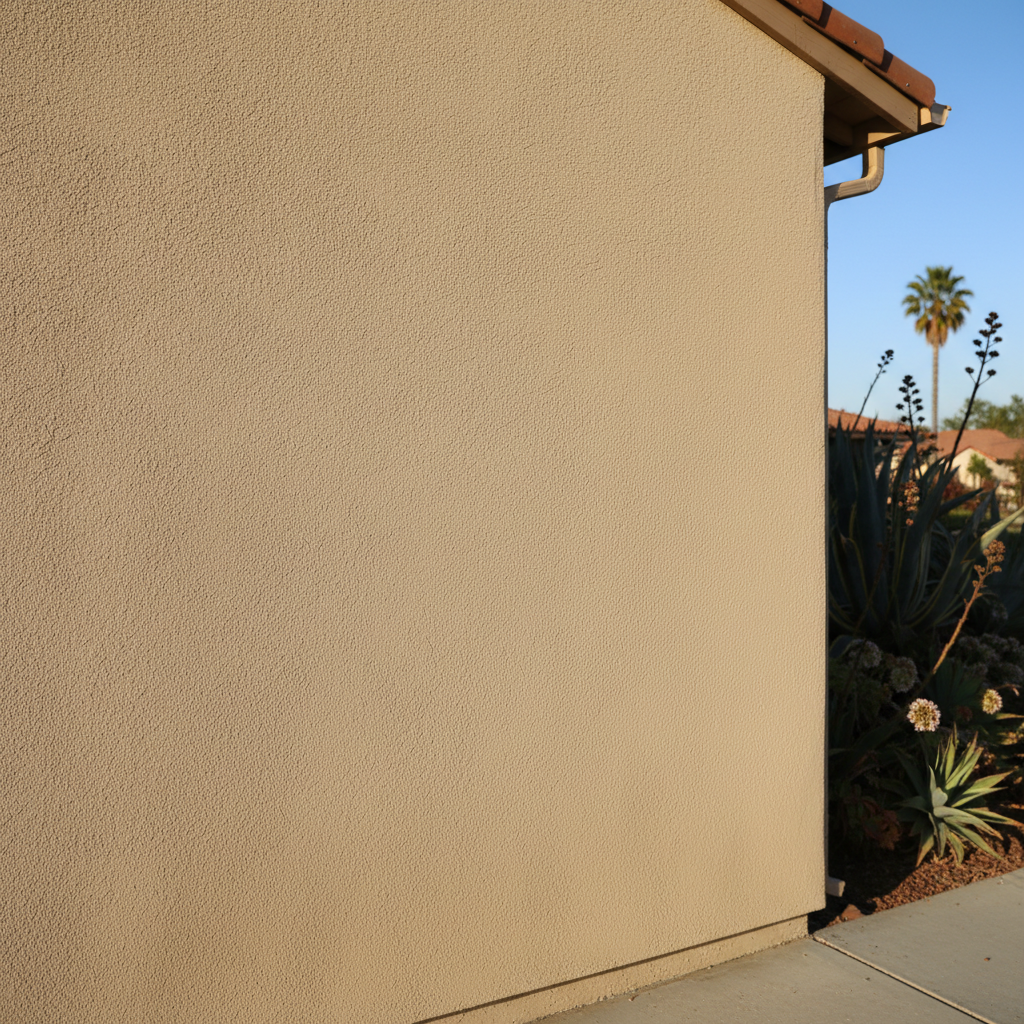
Got stucco on your San Diego home? Chances are, you do. It's everywhere here, from the old Spanish-style houses in Old Town to the modern builds down in Encinitas. And for good reason – it handles our coastal climate pretty well. But like anything else, it needs some attention to keep looking good and doing its job. You might be wondering what you can tackle yourself, and when it's definitely time to pick up the phone.
Before You Start: Planning & Assessment
First things first, take a good look at your stucco. Don't just glance at it; get up close. What are you seeing? Small hairline cracks are usually nothing to worry about. They're common as houses settle and materials expand and contract with our temperature swings. But bigger cracks – especially ones that look like stair-steps or are wider than a credit card – those are red flags. They could mean structural issues, or at the very least, they're letting water in, which is a big problem.
Another thing to check for is discoloration, bulging, or soft spots. If you push on the stucco and it feels spongy, or if there are dark streaks, you've probably got moisture trapped behind it. This is serious stuff. You really don't want mold or rot eating away at your sheathing or framing.
So, what can you do before calling anyone? Clean it. Sometimes, what looks like damage is just dirt, mildew, or algae. A good pressure washing (be careful not to blast too hard and damage the surface!) can reveal the true condition underneath. If you're just dealing with surface grime, a simple cleaning might be all you need. But if you see those bigger issues, it's time to think about repairs or even a re-dash.
During the Project: DIY vs. Pro
Alright, you've assessed the situation. Now, what's next? This is where the DIY line gets drawn pretty clearly.
- Small Patching: If you have a small, isolated crack (think less than an inch wide and not too long) or a tiny ding, you can probably patch it yourself. You'll need some pre-mixed stucco patch, a trowel, and a little patience. Clean out the crack, wet the area, apply the patch, and try to match the texture. It's not rocket science, but getting a perfect texture match can be tricky, especially with older, hand-troweled finishes.
- Painting Stucco: If your stucco is in good shape but just looks faded or you want a color change, painting is a DIY-friendly project. Just make sure you use a high-quality elastomeric paint designed for stucco. It'll stretch with the stucco and resist cracking better than regular house paint. Prep is key here: clean thoroughly, repair any minor cracks first, and use a good primer.
- Anything More Complex: This is where you call in the pros, like us at San Diego Stucco & Plastering. If you've got large cracks, bulging, widespread water damage, or if you're thinking about a full re-dash or a completely new stucco application, don't try to do it yourself. Stucco isn't just a decorative finish; it's a critical part of your home's weatherproofing system. Messing it up can lead to much bigger, more expensive problems down the road. Pros have the right tools, the experience to properly prepare the substrate, apply multiple coats correctly, and achieve a consistent, durable finish that will last. They also know how to deal with things like weep screeds and proper flashing – crucial for keeping water out.
After the Project: Maintenance & Longevity
Whether you did a small patch or hired us for a full re-stucco, ongoing maintenance is vital. It's not a set-it-and-forget-it material, especially with our occasional heavy rains followed by bright sun.
Here's what you should do:
- Regular Inspections: Walk around your house at least once a year, preferably after a good rain. Look for new cracks, discoloration, or anything that seems off. Catching issues early saves you money and headaches.
- Keep it Clean: As I mentioned, dirt and mildew can build up. A gentle wash with a hose and a soft brush, or a low-pressure power wash, will keep it looking fresh. Just be careful around windows and doors.
- Manage Water: Make sure your gutters are clean and directing water away from your foundation. Check your sprinklers – are they constantly spraying the stucco? That's a no-go. Constant moisture is stucco's enemy number one.
- Trim Landscaping: Keep bushes and trees trimmed back from the stucco. They can trap moisture against the wall and prevent it from drying out properly. Plus, branches rubbing against the stucco can cause physical damage over time.
Taking care of your stucco isn't just about curb appeal; it's about protecting your biggest investment. A little proactive attention goes a long way in ensuring your San Diego home stays beautiful and dry for years to come.