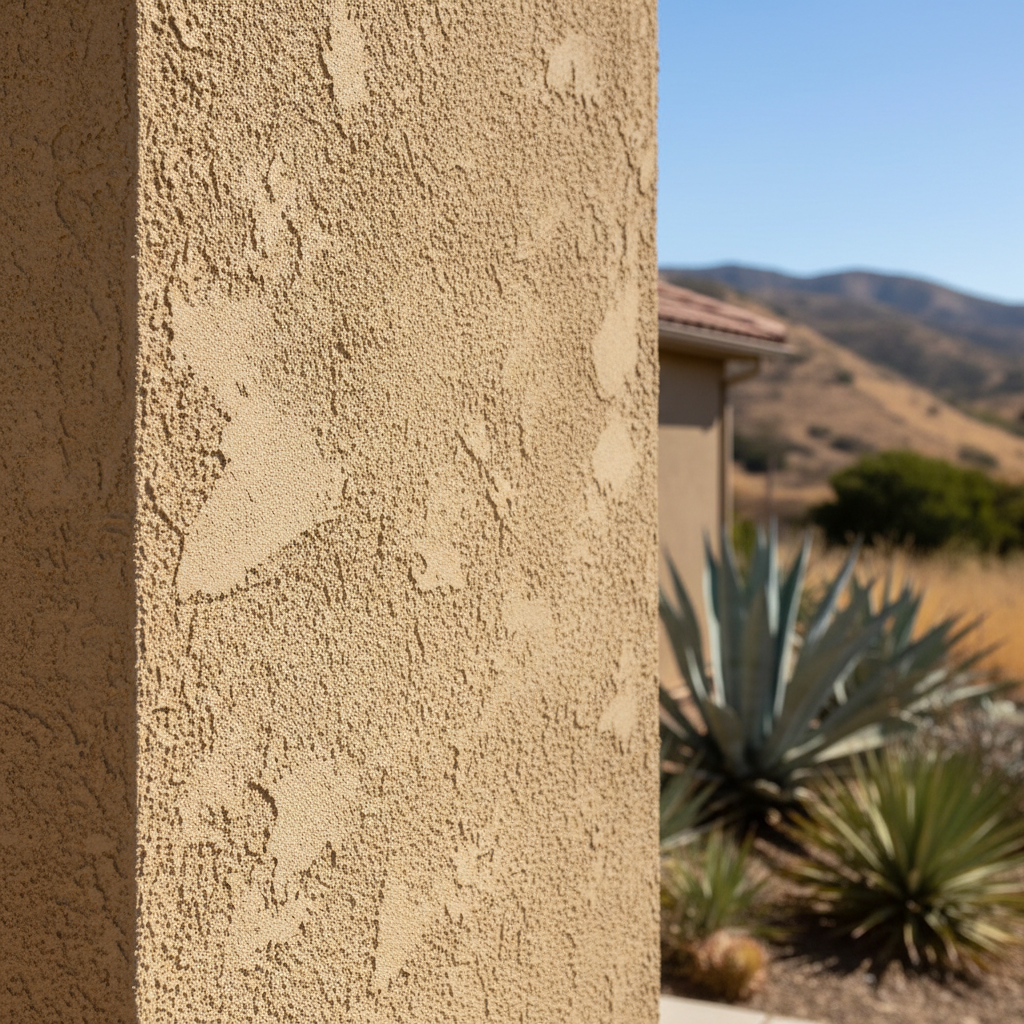
Alright, let's talk about stucco. It's on just about every home here in San Diego, and for a good reason, too – it's tough and looks great. But "tough" doesn't mean "can't be broken," especially with our salty coastal air, that strong sun, and those occasional heavy rains we get. You really need to keep an eye on it, and that means knowing how to check your stucco. This isn't rocket science, but there's a good way to do it, and knowing when to call in a pro can save you a whole lot of headaches and money down the road. Trust me on this one.
Before You Start: Getting Ready to Look Things Over
Before you even think about climbing a ladder, you need a plan. A little bit of prep work goes a long way, truly. First off, grab a notepad, a pen, and your phone or a camera. You'll want to write down everything you notice. Binoculars can come in handy for those high-up spots on a two-story house, and a small, soft rubber mallet or a plastic hammer can be useful for tapping on areas to listen for sounds.
- Know Your Stucco Type: Is it that traditional hardcoat stucco, or the synthetic kind (EIFS)? This matters because they tend to break down differently. If you're not sure, a professional can definitely help you figure it out.
- Clear the Area: Trim back any bushes or vines that are growing right up against your house. You can't inspect what you can't see, right?
- Understand San Diego's Challenges: Our climate is pretty unique. Homes near the coast have to deal with salt air and more humidity, while places inland get hit with more intense UV rays and bigger temperature swings. These things stress stucco in different ways. Knowing this helps you know where to focus your inspection.
DIY Stucco Check: What You Can Do Yourself
You don't have to be a stucco expert to spot the obvious problems. Here’s what you, as a homeowner, can realistically check on your own:
Just Walking Around and Looking
Start by giving your home's entire exterior a good visual once-over. Walk slowly, really looking at every wall. What are you trying to find?
- Cracks: These are the big one. Hairline cracks are pretty normal and usually just a cosmetic thing. But if you see cracks wider than a credit card, or ones that seem to be spreading, those are definitely red flags. Pay extra close attention around windows, doors, and where different materials meet, because water often sneaks in through these spots.
- Stains and Discoloration: Are there any dark streaks, white hazy spots (that's efflorescence), or just general discoloration? These often mean water is getting behind the stucco or that your flashing isn't doing its job. Brown streaks near windows are a really common sign.
- Bulging or Bubbling: If the stucco looks like it's pushing out from the wall, or you see blisters, that's a sign of delamination, which usually happens because of trapped moisture.
- Soft Spots: Gently press on the stucco, especially in areas that look a bit off. If it feels soft or spongy, that's a serious sign of moisture damage to the stuff underneath.
- Caulking: Check all around your windows, doors, and any penetrations (like pipes or vents). Is the caulk cracked, missing, or pulling away? Failing caulk is basically an open invitation for water.
- Drainage: Take a look at your gutters and downspouts. Are they clear and sending water away from the house? Are your sprinklers hitting the stucco directly? Constant water exposure is a stucco's worst enemy.
The Sound Test (But Be Gentle!)
Using that soft mallet or plastic hammer, gently tap on areas of the stucco, especially where you think there might be issues. A solid, uniform sound is good. A hollow sound can mean the stucco has come loose from the wall (delamination) or that there's moisture stuck behind it. Just be careful not to hit too hard and cause more damage!
When to Call a San Diego Stucco Pro
While you can certainly do a good first check, there are definitely times you need to bring in the professionals. Don't try to handle these situations yourself:
- Significant Cracks: Anything wider than a credit card, or cracks that are clearly structural (like those running diagonally from window/door corners, for example) need a professional to take a look.
- Suspected Moisture Intrusion: If you've got persistent staining, bubbling, soft spots, or a hollow sound, you're probably dealing with water getting behind the stucco. This can lead to serious rot and mold, and it needs special tools and expertise to figure out and fix correctly. We're talking about thermal imaging and moisture meters here, not just a visual check.
- Before a Major Project: If you're buying or selling a home, or planning a big renovation, a professional stucco inspection is a smart investment. It gives you a clear picture of how sound the stucco really is.
- Every 3-5 Years: Even if you don't see obvious problems, a routine professional inspection every few years is a good idea, especially for older homes or after some really bad weather. San Diego's climate can really wear down stucco over time.
Here at San Diego Stucco & Plastering, we do really thorough stucco inspections. We look for everything from how well the waterproofing is doing to the condition of the substrate and any drainage worries. We know the unique challenges our local environment throws at us, from the salt spray near the coast to that intense UV exposure inland.
After the Inspection: What's Next?
Whether you did a DIY check or had a pro come out, your next steps depend on what you found.
- Minor Issues: Small hairline cracks can often be sealed up with a good quality elastomeric caulk. Just keep an eye on them afterward.
- Professional Repairs: If a professional pointed out significant issues, get a few quotes for repairs. Make sure the contractors are licensed and have plenty of experience with stucco here in San Diego. They should give you a detailed plan for fixing the actual problem, not just patching up the surface.
- Regular Maintenance: Keep up with your annual visual checks. Make sure your gutters are clean, that water drains properly, and trim back any vegetation. It's all about being proactive, isn't it?
Your stucco is your home's first line of defense against the elements. Taking the time to check it regularly, and knowing when to call in a specialist, will help keep your San Diego home protected and looking great for years to come.