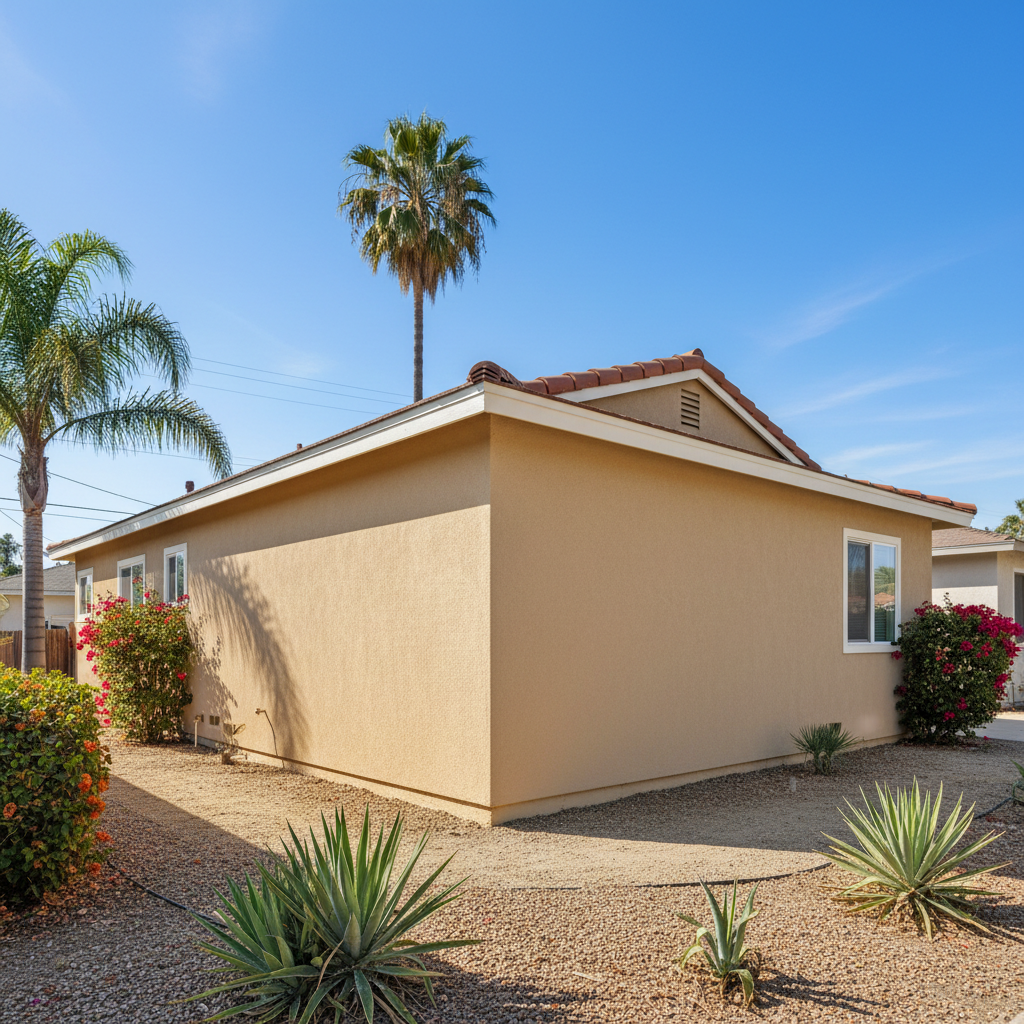
Alright, let's talk about EIFS – that's Exterior Insulation and Finish Systems, for those not hip to the lingo. If you're thinking about EIFS for your San Diego home, you're probably wondering what it's going to cost. I totally get it. Nobody likes surprises when it comes to home improvements, especially big ones like updating your home's exterior. So, let's just get straight to it and discuss what you can expect to pay and why.
What Really Makes EIFS Installation Costs Go Up or Down?
You'd think it would just be a simple price per square foot, wouldn't you? Not quite. A bunch of different things can really change the final cost of an EIFS job. Here’s what I’ve noticed makes the biggest difference:
- Your Home's Size and Shape: This is a huge factor. A flat, rectangular wall is way easier and faster to cover than a house with lots of fancy architectural bits – like turrets, detailed bump-outs, or tons of windows and doors. Every single corner, every opening, every curve means more labor and more complex materials. The more intricate the design, the more time and skill it demands, and yep, that means more money.
- Condition of What's Already There: What's currently under your exterior? If we're putting EIFS over old, damaged siding or stucco, we might have to do some serious prep work first. That could mean fixing sheathing, dealing with water damage, or upgrading air barriers. If there's mold or rot, well, that's extra work and expense you'll definitely need to consider. Don't skip this step; a good EIFS system absolutely needs a solid base.
- The Specific EIFS System and Materials: Not all EIFS is the same, you know? There are different thicknesses and types of insulation boards, various base coats, and a huge variety of finish textures and colors. For instance, insulation with a higher R-value will cost more initially, but it can really save you a bundle on energy bills later on, especially during those scorching inland San Diego summers. Fancy finishes or dark pigments that need extra coats also bump up the material cost.
- How Easy It Is To Get Around: Can we easily reach every part of your house? If we need a lot of scaffolding, lifts, or have to work around tricky landscaping, that's going to increase both labor time and equipment costs.
- Local Labor Rates and Permits: San Diego is a busy place, and skilled workers aren't cheap. Our local labor rates play a role, and you'll always need permits for this kind of work, which, of course, come with their own fees.
Typical EIFS Cost Ranges Here in San Diego
I know you're looking for some actual numbers, so let's dive in. For EIFS installation right here in San Diego County, you're generally looking at somewhere around $8 to $14 per square foot. Now, that figure covers a complete, professional installation, including both materials and labor.
To give you a clearer picture, for an average home between 2,000 and 2,500 square feet, a full EIFS installation could set you back anywhere from $16,500 to $35,000. Remember, these are just averages. A smaller, simpler project might land on the lower end, while a bigger, more complex home with lots of architectural details or extensive prep work could definitely push towards the higher side.
Just so you know, EIFS usually costs a bit more upfront than traditional stucco, which might be $7 to $9 per square foot. But EIFS gives you much better insulation (R-4 to R-5.6 per inch versus R-0.20 for traditional stucco) and is way more resistant to cracking. That can translate to long-term savings on energy and maintenance, which is pretty sweet.
What Should a Good, Comprehensive Quote Actually Include?
When you get a quote from San Diego Stucco & Plastering, or any decent contractor for that matter, it shouldn't just be one big number. You need to see a detailed breakdown. Here’s what a solid EIFS quote should cover:
- Materials: This means the insulation boards (EPS, for example), the base coat, fiberglass mesh, primer, and the final finish coat. It should also factor in some waste, usually 5-15% depending on how complicated the job is.
- Labor: This is a big chunk, often making up 35-45% of the total project cost. It covers everything from setting up and applying the EIFS to cleaning up afterward.
- Substrate Preparation: Any necessary fixes to the wall underneath, like sheathing repair or moisture barrier upgrades. This can be 15-20% of the total.
- Water-Resistive Barrier and Flashing: A super important part of a proper EIFS system to keep moisture from getting in.
- Equipment: Scaffolding, sprayers, lifts, and any other tools needed for the job.
- Permits: The cost of getting all the required local building permits.
- Waste Disposal: Hauling away old materials and construction debris.
- Warranty Information: All the details about the warranty for both the materials and the labor.
How to Avoid Paying Too Much for EIFS Installation
You want quality work without getting ripped off, right? Here’s how you can protect your investment:
- Get Multiple Bids: Don't just go with the first contractor you talk to. Get at least three detailed quotes. This helps you compare not just prices, but also what exactly is included in their scope of work.
- Check References and Licensing: Always, always, always make sure your contractor is licensed and insured. Ask for references and actually call them up. Look for reviews online too. A good contractor will have a solid track record, believe me.
- Understand the Scope: Make sure every quote you get clearly spells out what’s included. If one quote seems way lower, they might be cutting corners on materials, prep work, or even skipping crucial steps like proper flashing.
- Ask About EIFS Experience: EIFS isn't like traditional stucco; it's a multi-layer system that needs specialized knowledge and certified applicators. You really want someone who knows the ins and outs of EIFS, especially with San Diego's coastal humidity and those occasional heavy rains.
- Don't Rush the Decision: Take your time to go over the quotes, ask questions, and really understand the whole process. A reputable contractor won't pressure you into making a quick decision – they just won't.
- Look for a Detailed Contract: Once you pick a contractor, make sure absolutely everything is in writing. The contract should cover the total cost, payment schedule, the materials they'll use, the warranty, and a clear timeline.
EIFS is a fantastic investment for many San Diego homeowners, offering great insulation and a really durable finish. Just make sure you're working with a pro who truly knows their stuff and gives you an honest, clear picture of all the costs involved.