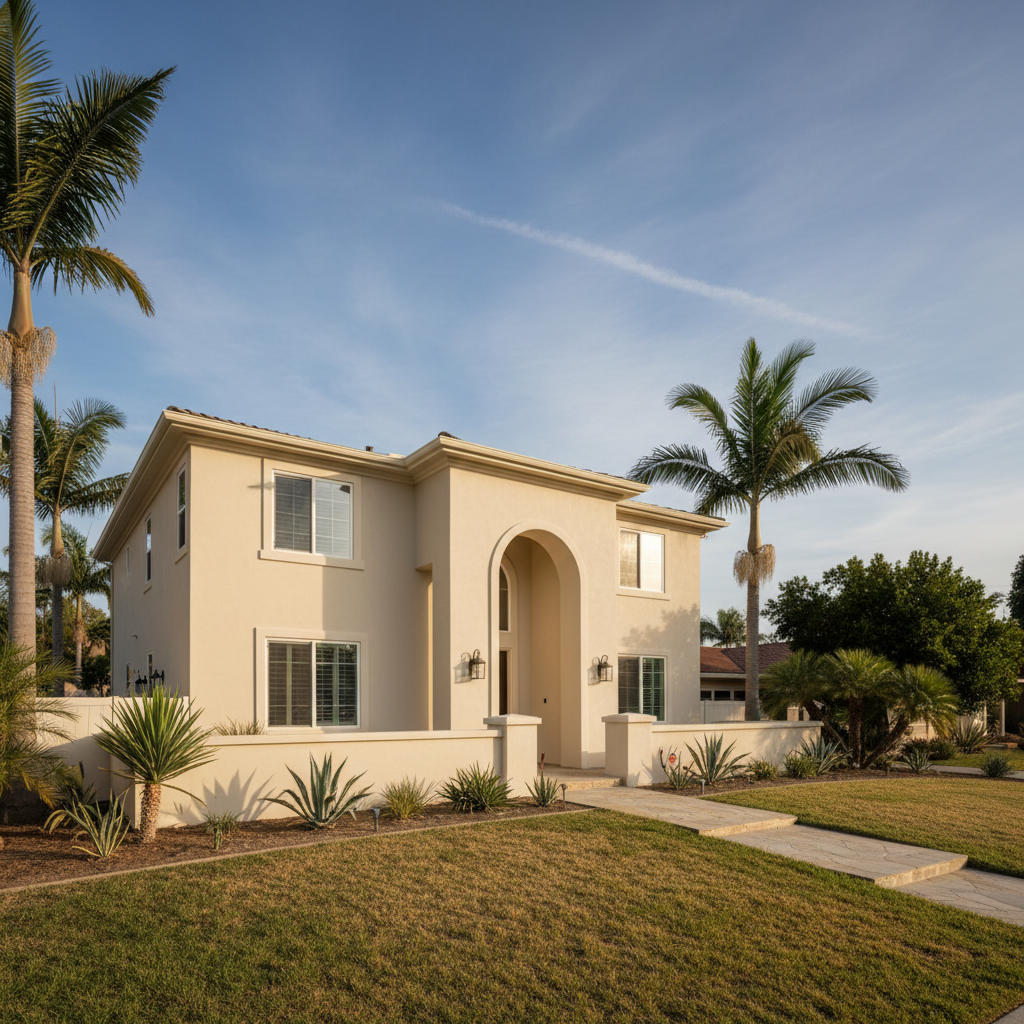
Alright, so you're thinking about sprucing up your commercial property right here in San Diego with some new stucco? Smart move. Stucco really holds its own on commercial buildings, especially with all the coastal moisture, strong UV rays, and those shifting seasonal weather patterns we deal with. But let's be honest, a commercial stucco job isn't like painting a spare bedroom. It's a pretty big deal, a real investment, and you absolutely want it done right. I've seen plenty of projects over the years, both good and bad, and I'm here to give you the straight scoop on what you need to know to make yours a winner.
Figuring Out Your Project Timeline
How long will this whole thing actually take? That's usually the first question I get, and it's a fair one. There's no single answer that fits every situation, but I can certainly give you a realistic idea. Commercial construction schedules really hinge on how big and complicated your project is, how long permits take, and any unexpected snags like supply chain issues.
- Permitting: This often ends up being the biggest wild card, and frankly, it's not always something your contractor can control. Here in San Diego, permit times can swing wildly. While the City of San Diego might talk about faster processing, residential permits, on average, took 176 days in 2024 — some even dragged on for over six months. Commercial projects can certainly hit similar backlogs. If your property is in unincorporated San Diego County, plan checks for commercial projects typically take about six weeks after you've submitted your application and paid the fees. And if you're in a Coastal Overlay Zone, like parts of Pacific Beach, you might need extra Coastal Development Permits, though some recent changes have made that process a bit smoother. Your permit usually gives you a year to get construction started, and then you've got to keep things moving with inspections every 180 days. Seriously, don't mess around with this part; unpermitted work is a huge risk, believe me.
- Preparation & Application: Once those permits are finally in hand, the actual stucco work can begin. This kicks off with surface prep, which is absolutely crucial. California codes insist that framing, sheathing, and moisture barriers get inspected and approved before any stucco even touches the wall. Any missteps here can cause delays and costly re-dos. For traditional three-coat stucco, which is pretty much the gold standard for durability and what we often suggest for San Diego's climate, you're looking at several layers – a scratch coat, then a brown coat, and finally the finish coat. Each one needs proper time to cure. That mandatory three-week cure time for the stucco itself is a big one that often catches people off guard. You simply can't rush it, or you'll end up with cracks, and nobody wants that.
- Overall Duration: Smaller commercial renovations might wrap up in a few months, but mid-sized projects can easily stretch from six months to a year. Large-scale developments? You're looking at over a year, no doubt.
What Happens During the Process?
When you get a commercial stucco project rolling, you'll typically see a few main stages. First up is the initial chat and plan review. A good contractor will go over your blueprints, the scope of work, and your exterior setup. After that comes a clear, written proposal, no surprises.
Once you've got your permits, the real work starts. Expect to see crews getting the site ready – that means cleaning, fixing anything that needs it, and making sure the surface is primed for the new stucco. This might involve pressure washing to get rid of any gunk. Then comes putting up the lath, moisture barriers, and those multiple layers of stucco. Inspections are a constant throughout the whole project – your contractor should be coordinating these with the city to ensure everything meets code. We're talking about things like the lath inspection by the City of San Diego, for example. After the stucco is on and cured, there's usually a finish coat, which might be paint or an elastomeric coating for extra waterproofing and flexibility. Pretty neat, right?
Through all of this, communication is huge. You should expect regular updates from your contractor. Commercial projects often mean working with general contractors, developers, or property managers, so keeping everyone on the same page is a big part of it.
How to Get Your Property Ready
You can do a few things to help your commercial stucco project run smoothly:
- Clear the Area: Make sure the workspace around your building is as clear as it can be. That means moving any vehicles, equipment, or outdoor furniture that might get in the way.
- Protect Landscaping: Stucco work can get messy. Cover up any plants, bushes, or delicate landscaping near the building to shield them from dust and debris.
- Inform Tenants/Employees: If your commercial property has tenants or employees, give them a heads-up about the project timeline and any potential disruptions, like noise or restricted access.
- Review Your Plans: Double-check your architectural plans and make sure you're crystal clear on the finish you want, the color, and any specific details.
- Have Utilities Accessible: The crew might need access to water or power, so make sure those are readily available.
Questions to Ask Before You Sign Anything
Before you commit to anyone, you really need to ask the right questions. This isn't just about getting a good price; it's about getting quality work that actually lasts, especially here in San Diego where our unique climate demands specific materials and methods.
- Are you licensed and insured? Don't just take their word for it. Ask to see their CSLB license number (ours is always available, by the way), and verify their general liability and worker's compensation insurance. This stuff protects you if something goes wrong.
- What's your experience with commercial stucco projects in San Diego? Commercial stucco is a different beast than residential. You want a contractor who really gets the specific demands of big projects and our local building codes. Ask for references and examples of similar commercial jobs they've finished.
- What stucco system do you recommend for my property, and why? There are different kinds of stucco systems out there. For example, three-coat stucco is often the go-to for its durability in our coastal and inland environments. They should be able to explain the materials they'll use, like marine-grade cement or enhanced moisture barriers if you're closer to the ocean.
- How do you handle permits and inspections? A good contractor will take charge of this, coordinating with local building officials and making sure everything is up to code. They should know San Diego's specific permitting processes inside and out.
- What's your plan for surface preparation and moisture management? Bad surface prep and inadequate moisture barriers are huge reasons stucco fails. Ask about their waterproofing strategies, especially considering San Diego's occasional heavy rains.
- What's the estimated timeline, including cure times and inspections? Get a realistic schedule that accounts for every single phase, including those mandatory cure times.
- Do you offer a warranty on your work? A solid warranty gives you peace of mind, plain and simple. Ask what it covers and for how long.
- Who will actually be on site, and are they your employees or subcontractors? We at San Diego Stucco & Plastering use our own long-time crews, not just random subs. That really makes a difference in quality and accountability.
- Can I see a detailed breakdown of costs? Make sure the proposal clearly spells out materials, labor, and any other fees involved. You definitely don't want any surprises popping up later.
Picking the right stucco contractor in San Diego is absolutely critical. By asking these questions and really understanding the process, you'll be well on your way to a successful commercial stucco project that boosts your property's value and curb appeal for years to come. What a relief!